
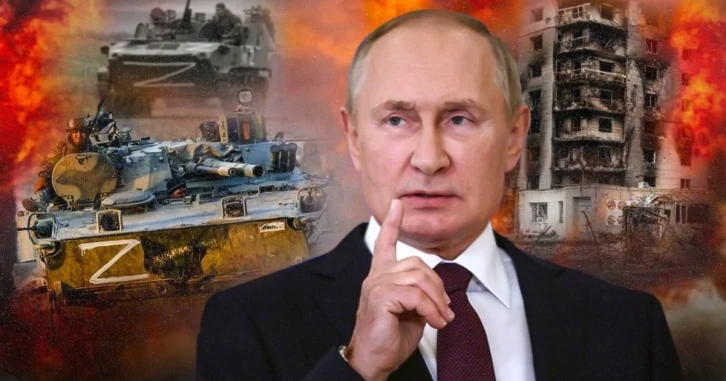
У своїх попередніх публікаціях я вже розповідав про дивний поворот в американській історії: один президент США, Рональд Рейган, зміцнюючи закон і демократію, зруйнував радянську «імперію зла», а інший, Дональд Трамп, своїми діями підриває демократичні опори власної держави та світове лідерство Америки. Сьогодні ми бачимо прямий і смертельно небезпечний наслідок цього: коли слабшає головна опора вільного світу, у Східній Азії, на Близькому Сході та у Східній Європі відкривається шлях до глобальної війни. І каталізатор цього процесу вже спрацював в Україні. Знищення Кримського мосту стало ударом не просто по путінській гордості, а по головному символу його влади, що має величезний психологічний і стратегічний ефект. Перерізаний сухопутний зв'язок із Росією повертає Крим Україні як її невід’ємну частину. Руйнування і автомобільної, і залізничної частин мосту позбавляє російську окупаційну армію боєздатності, зриваючи її постачання не лише на півострові, а й на всьому захопленому півдні України. Ба більше, 277-метрова арка мосту впала безпосередньо у Керч-Єнікальський канал глибиною близько дев'яти метрів — єдиний шлях для проходу великих морських суден із азовських портів у чорноморські. Через це зупинилося не лише сухопутне сполучення з півостровом, а й морське судноплавство, що істотно підриває економічні можливості Росії. Окрім військово-економічних наслідків, не менш руйнівним виявився політичний удар. Путін не зміг захистити головну святиню, якою так пишалася вся Росія, співаючи про повернення Криму «в родную гавань». Для його особистого авторитету це катастрофа — можливо, саме тому він мав такий жалюгідний вигляд на саміті в Китаї. Відтепер росіяни більше не можуть вірити жодному слову свого диктатора, і будь-які його подальші обіцянки перемогти Україну виглядатимуть як відвертий фарс і знущання з власного населення. Адже скільки було гучного вихваляння, що російська армія гарантовано захистить міст і кримчанам нічого боятися! Для його оборони стягнули все, що мали: підводні, надводні, повітряні та космічні сили — але не допомогли ані хвалені С-400, ані «Панцирі», ані вся інша «найновіша» військова техніка, ППО та РЕБ. І зробили це наші фахівці за допомогою власних технологій — без західних важких бомб, без далекобійних балістичних ракет і навіть без американського Starlink, змусивши світ по-новому подивитися на реальні можливості України. Зараз для Путіна настає критичний момент: на кону не лише його влада, а й, схоже, фізичне життя. Усі його багаторічні, майже хворобливі намагання знайти «еліксир безсмертя», щоб правити Росією вічно, остаточно розбилися об реальність. Водночас головний підсумок китайського саміту для Москви виявився нищівним: сам Путін нарешті зрозумів — і це чітко побачили в усіх столицях світу, — що повернення Росії до клубу головних наддержав поруч зі США та Китаєм уже не буде. Росію і його особисто остаточно викинули з кола світових лідерів. Проте саме в такому стані Путін стає смертельно небезпечним. Як загнаний у кут щур, він здатен піти на найбожевільніші кроки, які можуть втягнути світ у велику катастрофу. І в нього ще залишається остання надія — Дональд Трамп. Путін чудово розуміє, що його «золотий час» у відносинах із нинішнім господарем Білого дому стрімко минає: уже в січні 2027 року присягу складе новий, 120-й Конгрес США, який неминуче розверне американську політику. Саме розрахунок на бездіяльність і розгубленість Трампа в цей небезпечний для Європи, НАТО та всього світу перехідний період дає Кремлю надію, що на авантюру можна зважитися просто зараз. Щоб зрозуміти масштаб біди, у прірву якої Путін може штовхнути Тайвань, Японію, Близький Схід та Європу, варто згадати головний урок минулого століття. Друга світова війна не почалася 1 вересня 1939 року. Вона почалася тоді, коли агресори на очах у всього світу розтоптали Лігу Націй — перший глобальний орган безпеки, перетворивши його на безпорадну ширму для безкарних нападів на сусідів. Сьогодні історія повторюється: перше, що зробили напередодні нової великої війни, — остаточно зруйнували спроможність ООН підтримувати у світі мир і стабільність. Статут Організації Об’єднаних Націй розірвано на шматки правом вето агресора, Рада Безпеки паралізована, а міжнародне право замінили правом сильного. У світі утворилася небезпечна порожнеча, де більше не діють жодні правила, і жоден старий механізм уже не захистить ані Європу, ані Тайвань, ані Близький Схід. Програти війну в Україні для Путіна означає втратити владу і життя. Виграти її на полі бою він уже не здатен: Україна зламала хребет російській воєнній машині завдяки масовому героїзму та єдності свого народу, а також потужним власним технологіям, що змінили характер сучасної війни. Тому єдиний порятунок Кремля — підпалити світ одночасно в Азії та на Близькому Сході, щоб паралізувати Захід. Згадаймо лютий 2022 року: тоді Путін начебто приїхав на відкриття зимової Олімпіади в Китай, а насправді — щоб заручитися благословенням Сі Цзіньпіна на війну проти України. Можна з великою ймовірністю стверджувати, що тільки Сі міг підштовхнути Путіна до цієї авантюри. Особливий цинізм полягав у тому, що господар Кремля терпляче дочекався завершення змагань, аби не затьмарити Пекіну грандіозне свято, яке китайці влаштували для всього світу. Але щойно Олімпіада завершилася, Путін розпочав — як у Москві були глибоко впевнені — переможний похід на Київ. Сьогодні все розвертається у зворотний бік: після приниження в Китаї та знищення Кримського мосту Путін відчайдушно штовхає Сі на війну проти Тайваню. І тут криється найпідступніша пастка для Тайбея, Токіо, Ер-Ріяда та європейських столиць. Якщо Китай наважиться напасти на Тайвань, Вашингтон миттєво оголосить, що перекидає всі свої війська та флот в Азію. Проте вся трагедія в тому, що по-справжньому воювати за острів Америка не буде. Гучне виведення кораблів і літаків у Тихий океан стане лише зручним приводом — і, цілком імовірно, частиною таємної домовленості — щоб офіційно відійти вбік у Європі. Недарма Трамп уже відкрито заявив, що Європа повинна сама домовлятися з Путіним. А щоб світ остаточно захлинувся в хаосі й кризі, одночасно з нападом на Тайвань Іран разом із єменськими хуситами вдарить по Саудівській Аравії. Поки Вашингтон лише вдаватиме, що рятує Азію, Королівство ризикує залишитися сам на сам із загрозою знищення своїх нафтових родовищ і заводів, що миттєво обвалить світову економіку. У цей самий момент для Москви відкривається омріяний шанс у Східній Європі. Європейські країни, які роками розслаблено жили під американською парасолькою, сьогодні не готові самотужки зупинити Путіна. Так, у Кремля ще залишилися серйозні сили — наприклад, боєздатні частини десантників. Проте Путін навряд чи піде в лобову атаку: він обере найпідліший і найнесподіваніший для західних демократій сценарій, розрахований на миттєвий шок, брак часу і повну розгубленість європейських політиків. Це дозволить Москві захопити плацдарм у Балтії, розвалити НАТО зсередини та відкинути Альянс до кордонів 1997 року. Сьогодні у світі вже всі остаточно зрозуміли: сподіватися на реальну військову допомогу США, поки в Білому домі перебуває Дональд Трамп, не варто. Старі глобальні гарантії більше не працюють, а розрахунок на те, що хтось із-за океану прийде і врятує у вирішальну хвилину, може коштувати державності й майбутнього. Саме тому настав час, коли справжні лідери на місцях повинні не просто замислюватися, а робити конкретні кроки до створення самодостатніх регіональних оборонних союзів. Кожна частина світу має спиратися на власні сили, власні технології та перевірених сусідів, здатних тримати удар. У Європі ключовою опорою такого нового союзу об’єктивно стає Україна з її мільйонною, добре організованою та загартованою в боях армією, яка володіє унікальним досвідом сучасної технологічної війни. На Близькому Сході цю роль має взяти на себе Саудівська Аравія як найпотужніший центр сили та стабільності регіону. У Східній Азії — тісна оборонна й технологічна координація Японії, Тайваню та їхніх найближчих партнерів, які, як ніхто інший, розуміють ціну ядерного шантажу й необхідність технологічної переваги. Водночас обмін досвідом, розвідданими та оборонними технологіями між цими центрами сили здатний сформувати нову, життєздатну систему стримування. Поки великі гравці намагаються розіграти глобальний хаос за нашими спинами, у новому світі виживуть не ті, хто чекає на чужу парасольку, а ті, хто сам уміє себе захищати і будує дієві союзи. Чи вдасться Путіну підпалити світ? Це залежить від єдності демократичних держав та від уроків, які людство має засвоїти з героїчної й відважної боротьби українського народу проти агресора — путінську агресію можна зупинити й перемогти, і не допустити глобальної катастрофи.
Putin Can No Longer Defeat Ukraine, But He Can Still Set the World on Fire In my previous publications, I have already written about a strange twist in American history: one U.S. president, Ronald Reagan, by strengthening the rule of law and democracy, destroyed the Soviet "evil empire," while another, Donald Trump, is undermining the democratic foundations of his own country and America’s global leadership. Today, we see the direct and deadly consequence of this: as the main pillar of the free world weakens, the path to global war opens up in East Asia, the Middle East, and Eastern Europe. And the catalyst for this process has already been triggered in Ukraine. The destruction of the Crimean Bridge was a blow not merely to Putin’s pride, but to the primary symbol of his power, carrying an enormous psychological and strategic impact. Severing the land link with Russia returns Crimea to Ukraine as its integral part. The destruction of both the road and rail sections of the bridge strips the Russian occupation army of its combat capability, disrupting its supply lines not only on the peninsula, but across the entire occupied south of Ukraine. Moreover, a 277-meter arch of the bridge collapsed directly into the Kerch-Yenikale Canal, which is about nine meters deep—the sole passage for large maritime vessels traveling from Azov ports to the Black Sea. As a result, not only overland connections to the peninsula have been halted, but maritime shipping as well, substantially undermining Russia’s economic capabilities. Beyond the military and economic consequences, the political blow proved no less devastating. Putin failed to protect the main shrine that all of Russia took such pride in while singing about Crimea’s return "to its native harbor." For his personal authority, this is a catastrophe—perhaps that is why he looked so pathetic at the summit in China. From now on, Russians can no longer believe a single word from their dictator, and any of his future promises to defeat Ukraine will look like an outright farce and a mockery of his own population. After all, how much loud boasting was there that the Russian army would guarantee the bridge's protection and that Crimeans had nothing to fear! Everything they had was pulled together for its defense: submarine, surface, air, and space forces—yet neither the vaunted S-400s, nor the Pantsirs, nor any other "state-of-the-art" military hardware, air defenses, or electronic warfare systems helped. And our specialists accomplished this using their own technologies—without Western heavy bombs, without long-range ballistic missiles, and even without American Starlink, forcing the world to take a fresh look at Ukraine’s true capabilities. Now, a critical moment is arriving for Putin: not only his power is at stake, but, it seems, his physical life as well. All his years-long, almost obsessive attempts to find an "elixir of immortality" to rule Russia forever have finally shattered against reality. At the same time, the main takeaway from the Chinese summit for Moscow proved crushing: Putin himself finally realized—and this was clearly seen in every capital around the world—that Russia will never return to the club of leading superpowers alongside the United States and China. Russia and Putin personally have been permanently cast out of the circle of world leaders. Yet it is precisely in this state that Putin becomes mortally dangerous. Like a cornered rat, he is capable of taking the most insane steps that could drag the world into a major catastrophe. And he still has one last hope—Donald Trump. Putin understands perfectly well that his "golden hour" in relations with the current occupant of the White House is rapidly running out: already in January 2027, the new, 120th U.S. Congress will be sworn in, inevitably shifting American policy. It is precisely this calculation on Trump’s inaction and confusion during this transition period—so perilous for Europe, NATO, and the entire world—that gives the Kremlin hope it can dare to launch an adventure right now. To grasp the scale of the disaster into whose abyss Putin could push Taiwan, Japan, the Middle East, and Europe, it is worth recalling the main lesson of the last century. World War II did not begin on September 1, 1939. It began when aggressors trampled the League of Nations—the first global security body—in front of the entire world, turning it into a helpless smokescreen for unpunished attacks on neighbors. Today, history is repeating itself: the very first thing done on the eve of a new major war was the final destruction of the UN’s ability to maintain global peace and stability. The Charter of the United Nations has been torn to shreds by the aggressor’s veto power, the Security Council is paralyzed, and international law has been replaced by the law of the strongest. A dangerous vacuum has formed in the world where no rules apply anymore, and no old mechanism will protect Europe, Taiwan, or the Middle East. Losing the war in Ukraine means losing power and life for Putin. He is no longer capable of winning it on the battlefield: Ukraine broke the backbone of the Russian war machine through the mass heroism and unity of its people, as well as powerful homegrown technologies that have changed the nature of modern warfare. Therefore, the Kremlin’s only salvation is to set the world ablaze simultaneously in Asia and the Middle East in order to paralyze the West. Let us recall February 2022: back then, Putin ostensibly arrived for the opening of the Winter Olympics in China, when in reality he came to secure Xi Jinping’s blessing for the war against Ukraine. One can assert with a high degree of probability that only Xi could have nudged Putin into this gamble. The particular cynicism lay in the fact that the Kremlin ruler patiently waited for the games to conclude so as not to overshadow Beijing’s grand celebration staged for the entire world. Yet the moment the Olympics ended, Putin launched what Moscow was deeply convinced would be a victorious march on Kyiv. Today, everything is turning in the opposite direction: after his humiliation in China and the destruction of the Crimean Bridge, Putin is desperately pushing Xi toward a war against Taiwan. And herein lies the most insidious trap for Taipei, Tokyo, Riyadh, and European capitals. If China dares to attack Taiwan, Washington will instantly announce that it is redeploying all its troops and fleet to Asia. Yet the whole tragedy is that America will not genuinely fight for the island. The loud dispatch of ships and aircraft into the Pacific will become merely a convenient pretext—and, quite likely, part of a secret deal—to officially step aside in Europe. It is no coincidence that Trump has already openly stated that Europe must negotiate with Putin on its own. And to ensure the world finally drowns in chaos and crisis, simultaneously with the attack on Taiwan, Iran, together with the Yemeni Houthis, will strike Saudi Arabia. While Washington merely pretends to rescue Asia, the Kingdom risks being left alone to face the threat of the destruction of its oil fields and refineries, which would instantly collapse the global economy. At that very moment, a long-coveted opportunity opens up for Moscow in Eastern Europe. European countries, which for years lived comfortably under the American umbrella, are today unprepared to stop Putin on their own. Yes, the Kremlin still has serious forces left—for instance, combat-ready airborne units. However, Putin is unlikely to launch a frontal assault: he will choose the most treacherous and unexpected scenario for Western democracies, calculated for instant shock, a lack of time, and the complete bewilderment of European politicians. This would allow Moscow to seize a foothold in the Baltics, collapse NATO from within, and push the Alliance back to its 1997 borders. Today, everyone in the world has finally realized: counting on real U.S. military assistance while Donald Trump is in the White House is futile. Old global guarantees no longer work, and relying on someone from across the ocean to come and save the day at the decisive moment could cost statehood and the future. That is why the time has come when genuine leaders on the ground must not merely reflect, but take concrete steps toward building self-sufficient regional defense alliances. Every part of the world must rely on its own strength, its own technologies, and proven neighbors capable of holding the line. In Europe, Ukraine objectively becomes the key pillar of such a new alliance, with its million-strong, well-organized, and battle-hardened army possessing unique experience in modern technological warfare. In the Middle East, this role must be assumed by Saudi Arabia as the region's most powerful center of strength and stability. In East Asia—close defense and technological coordination among Japan, Taiwan, and their closest partners, who understand better than anyone the price of nuclear blackmail and the necessity of technological superiority. At the same time, the exchange of experience, intelligence, and defense technologies among these centers of power can forge a new, viable system of deterrence. While major players attempt to orchestrate global chaos behind our backs, in the new world, survival will belong not to those waiting for someone else’s umbrella, but to those who know how to defend themselves and build effective alliances. Will Putin succeed in setting the world on fire? That depends on the unity of democratic nations and on the lessons humanity must learn from the heroic and courageous struggle of the Ukrainian people against the aggressor—Putin’s aggression can be stopped and defeated, and a global catastrophe prevented.